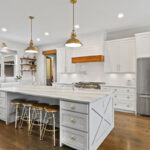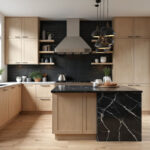

For many homeowners, the goal is simple: remain comfortably and safely in the home they love for as long as possible. This concept, often called “aging in place,” has become increasingly important as more seniors choose to stay in their family homes rather than move to senior-living communities or downsized residences.
At U S Kitchens & Baths, we’ve been helping New Jersey families design beautiful, functional kitchens for nearly 100 years. Some of our most rewarding work involves helping homeowners create kitchens that evolve with their needs while keeping the style and comfort they love intact.
The kitchen is the heart of the home — and one of the first places to address when planning for long-term independence.
Why Aging-in-Place Design Matters
As we age, everyday kitchen tasks can become more challenging. Bending, reaching, lifting, standing for extended periods, and navigating tight spaces may become difficult due to arthritis, reduced mobility, balance issues, vision changes, or other physical limitations.
The good news is that thoughtful kitchen design can help eliminate many of these challenges while making the space safer and easier to use.
Many homeowners begin making these improvements in their 60s and even 70s so they can enjoy the benefits of a well-designed and senior-friendly kitchen.
Appliance Placement Makes a Big Difference
Microwaves
Traditional over-the-range microwaves often require users to lift hot dishes above shoulder height. This can become dangerous as strength and mobility decrease.
A better solution is a microwave drawer installed below the countertop or a microwave built into cabinetry at a comfortable height. These options reduce reaching and make it easier to safely remove hot food.
Dishwashers
Standard dishwashers require significant bending and kneeling. Many aging-in-place kitchens incorporate raised dishwashers that are installed several inches higher than standard models. This simple modification can dramatically reduce strain on the back, hips, and knees while making loading and unloading much easier.
Wall Ovens
Wall ovens installed at waist or chest level eliminate the need to bend down to access heavy cookware. This feature not only improves comfort but can significantly reduce the risk of burns or falls when handling hot dishes.
Refrigerators
French-door refrigerators with bottom freezers are often preferred because frequently used items remain at eye level and within easy reach.
Improving Accessibility Throughout the Kitchen
Wider Walkways
Many older kitchens were designed with tighter spacing. Widening the aisles makes it easier to move through the space and leaves room for walkers, canes, or a wheelchair if needed down the road.
Easy-to-Reach Storage
Upper cabinets can become difficult or dangerous to access. Popular solutions include:
- Pull-out shelves
- Roll-out trays
- Deep drawers instead of lower cabinets
- Pull-down shelving systems
- Lazy Susans for corner cabinets
These features reduce bending, kneeling, and climbing on stools.
Better Lighting
Vision naturally changes with age. Additional task lighting under cabinets, brighter work areas, and strategically placed fixtures can improve visibility and reduce the risk of accidents. Motion-activated lighting can also be beneficial for nighttime kitchen visits.
Countertops and Flooring That Promote Safety
Traditional countertop heights may not be ideal for everyone. Some homeowners choose varying countertop heights to accommodate seated food preparation or specific mobility needs. Rounded countertop edges can also reduce injury risks from accidental bumps or falls.
Slips and falls remain one of the leading causes of injuries among seniors. When remodeling, it’s important to select flooring that provides good traction while remaining easy to clean and maintain. Uneven surfaces, highly polished materials, and raised thresholds should generally be avoided.
Easy-to-Use Hardware
Small design details can make a surprisingly big difference. Consider:
- Lever-style faucet handles
- Touchless faucets
- D-shaped cabinet pulls
- Soft-close drawers
- Easy-grip hardware
These features are particularly helpful for individuals with arthritis or limited hand strength.
Planning Ahead Pays Off
Many homeowners wait until mobility challenges arise before considering a remodel. However, planning ahead often results in better design choices and a more seamless transition.
An aging-in-place kitchen doesn’t have to look institutional or clinical. Today’s cabinetry, appliances, storage systems, and design innovations allow homeowners to create kitchens that are beautiful, functional, and prepared for the future.
We’re Helping Northern New Jersey Homeowners Stay Comfortable at Home
Whether you’re planning for retirement, caring for aging parents, or simply looking to make your kitchen more comfortable and accessible, our experienced design team can help you create a space that supports independent living without sacrificing style. Because the best kitchen isn’t just designed for today—it’s designed for the years ahead.
Ready to explore an aging-in-place kitchen remodel? Contact U S Kitchens & Baths to schedule a consultation and discover how thoughtful design can help you remain safely and comfortably in the home you love.